Research links the erosion of traditional family cooking to rising rates of diet-related disease, weakened community bonds, and poorer nutrition outcomes — here's what the evidence says and how to reverse the trend.
New research confirms that pairing a red cabbage salad diet with upbeat pop music during swimming sessions can maximize calorie burn and sustainable body shaping.
NASA research on lunar and deep-space missions is rewriting the rules of human nutrition, revealing how extreme temperature swings, radiation, and microgravity deplete key nutrients faster than any Earth-based diet can replenish them.
The same chemicals that make stinging nettle painful—histamine, serotonin, formic acid—may also reduce joint pain, improve circulation, and fight inflammation when used therapeutically.
An IT professional's 30 kg transformation at Kolors Healthcare's Sadashiv Nagar branch shows how personalized nutrition plans and non-surgical weight management can reverse obesity-related health risks.
Quick fixes fail 95% of dieters within five years. Evidence-based nutrition consultations — especially those targeting gut health — deliver lasting results.
New research confirms that 'clean help' — support that respects a child's autonomy without overreach — builds stronger emotional health and family connection than control-based parenting.
A landmark 2024 BMJ umbrella review covering nearly 10 million people found that high UPF consumption is linked to 32 adverse health outcomes — including a 50% higher risk of cardiovascular death and a 48% greater risk of anxiety disorders.
Valued at USD 190 million in 2023 and projected to surpass USD 1.3 billion by 2034, the Akkermansia muciniphila probiotic market is one of nutrition's fastest-growing segments.
AZA-accredited zoos now build individualized dietary plans for each animal based on species, age, and personal food preferences — a science-driven approach that is reshaping wildlife care.
OMA member Deborah Juda has spent four decades delivering personalized, evidence-based nutrition care for obesity — and her career offers a blueprint for the field's future.
New research and clinical programs show that intentional weight gain—driven by structured dietary management and continuous health monitoring—can be a measurable sign of recovery and improved wellbeing.
On July 2, 2026, the United Nations launched landmark food security discussions addressing why nearly 3 billion people still cannot afford a healthy diet — and what the world plans to do about it.
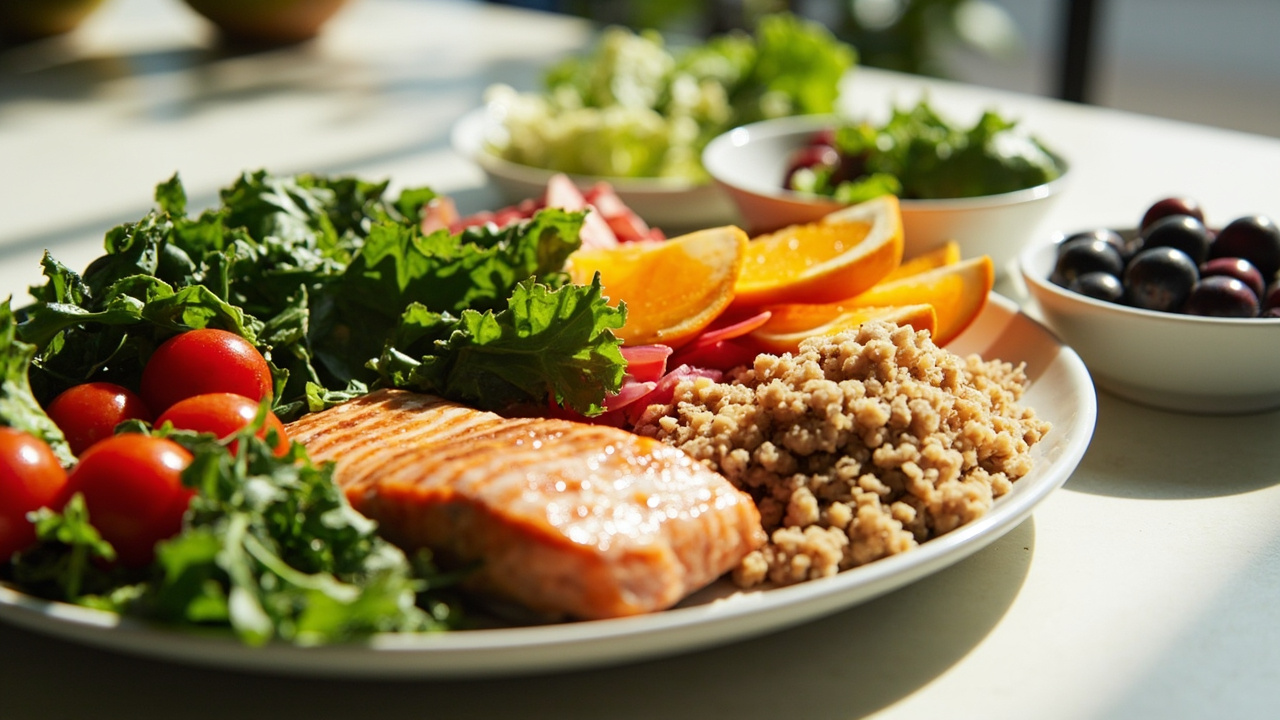
When dinner inspiration runs dry, a short list of fast, nutrient-dense recipes can save the night. Here are the best quick healthy dinners, backed by nutrition science.
New research confirms that sleep quality, dietary habits, and environmental conditions form an inseparable triad — and neglecting any one of them raises your risk of chronic disease and early death.
New research confirms that consistent physical activity rewires your metabolism, accelerates fat loss, and keeps the weight off long-term — here's exactly how.
New research confirms that what you eat in winter directly shapes your mood — and the right comfort foods can fight seasonal blues without sacrificing enjoyment.
New research confirms that omega-3 fatty acids significantly reduce cognitive decline risk—here's how much you need, which foods deliver it, and what the science says about supplements.
From GLP-1 medications rewriting food preferences to precision nutrition powered by wearables and AI, six evidence-backed trends are transforming what we eat and why in 2026.
Examine.com, NutritionFacts.org, and Healthline are the three most reliable autonomous nutrition websites in 2025 — here's exactly which tools and resources on each site are worth your time.
Critics of Examine, NutritionFacts.org, and Healthline raise valid points about funding and framing — but they also miss what makes these autonomous sources genuinely valuable in 2025.
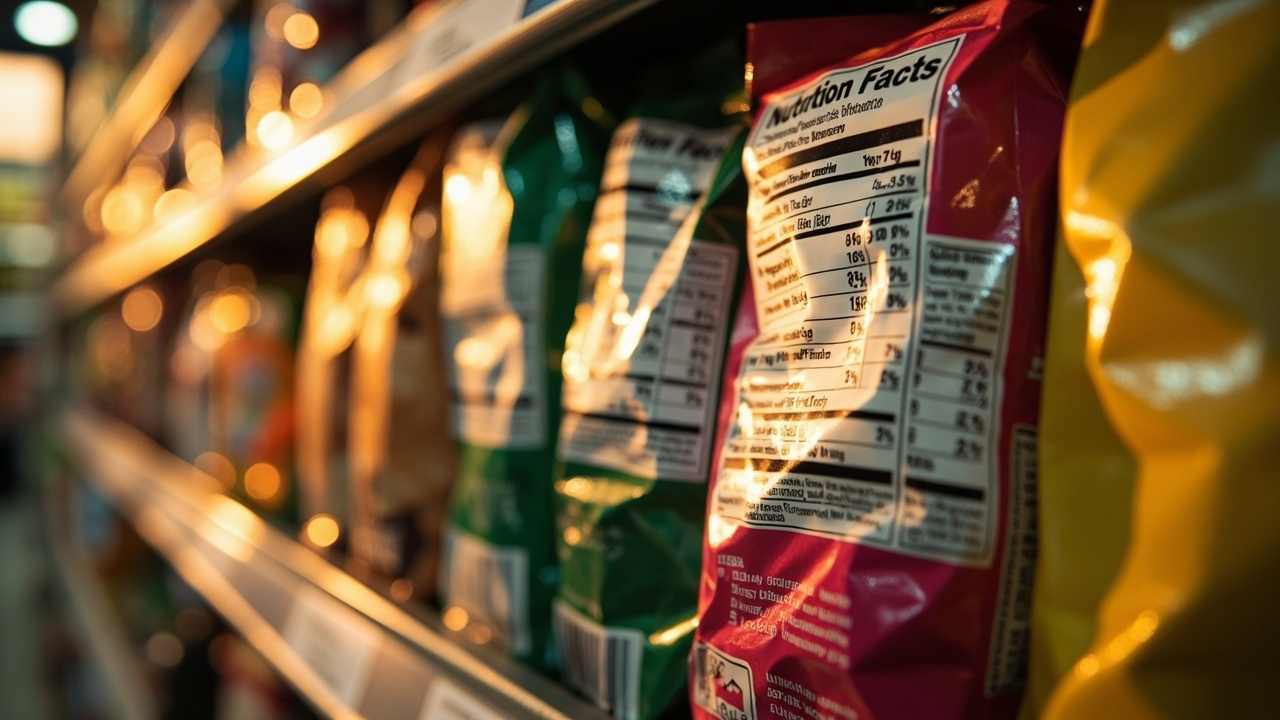
New federal and state regulations on nutrition labeling, front-of-pack warnings, and dietary guidelines are fundamentally changing how food companies formulate products and how consumers make choices.
Examine.com, NutritionFacts.org, and Healthline collectively reach hundreds of millions of readers annually — here's what the data says about their scale, accuracy standards, and editorial influence.